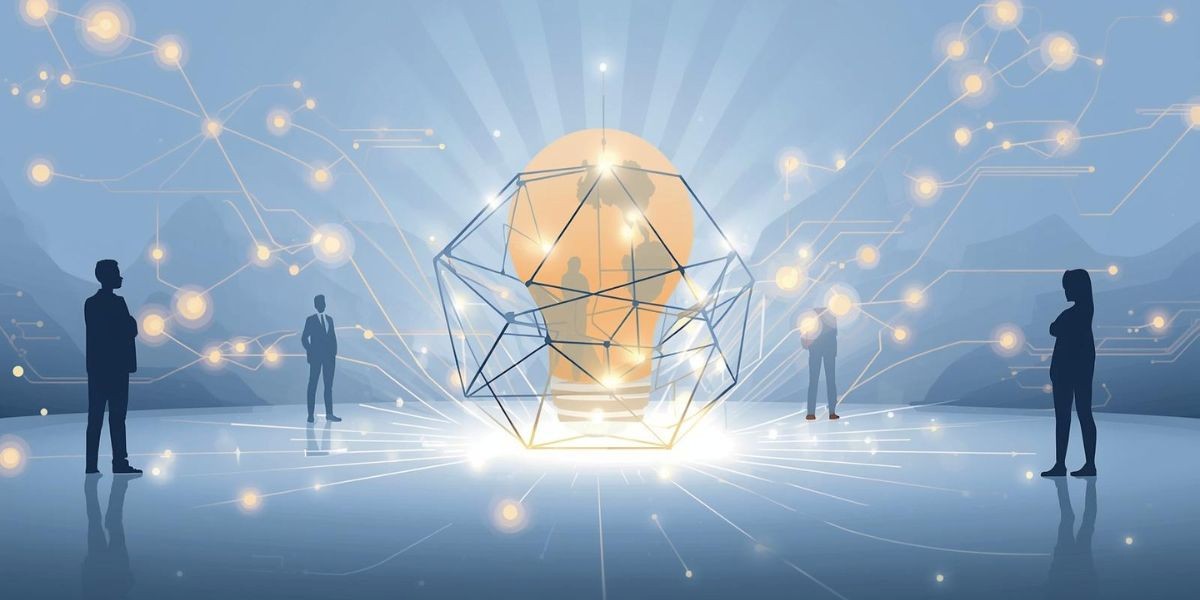
Every great product begins as an idea- but ideas alone rarely move markets. What truly defines successful new product development (NPD) is the system behind the creativity: the structured, data-driven, and human-centered process that transforms uncertainty into opportunity. In a business world where 70% to 90% of innovations fail to achieve their targets, the real question is no longer how to come up with ideas, but how to build the right ones.
The landscape of innovation has undergone a dramatic shift over the past decade. Speed, adaptability, and cross-disciplinary collaboration have replaced the old “stage-gate” rigidity. Companies that once took years to bring products to market now iterate within months. Yet this acceleration has come with its own pressure: the need to make faster decisions, often with incomplete data. In this new era, NPD is no longer a department; it’s a mindset that spans design, marketing, engineering, and even AI-driven insights.
AI and data analytics have redefined what’s possible in early-stage product discovery. Patterns in consumer behavior, market sentiment, and supply chain dynamics can now be identified long before traditional research catches up. McKinsey reports that data-driven decision-making in innovation increases success rates by over 60%. But while algorithms can illuminate the path, the human factor remains irreplaceable. The emotional intelligence of designers, the intuition of marketers, and the creative spark of R&D teams still define whether a product resonates or fades.
The companies leading the next generation of innovation are those that build NPD as a living ecosystem- one where teams don’t just manage projects, but continuously learn from them. Every product launch becomes data for the next. Failures aren’t buried; they’re mined for insight. The process becomes circular, not linear- fueled by feedback, technology, and culture.
The world’s most resilient innovators share a quiet truth: their success is rarely about the idea itself. It’s about the architecture that sustains creativity without collapsing under complexity. The future of new product development belongs to organizations that can integrate structure with spontaneity, logic with emotion, and human creativity with intelligent systems. Because innovation, at its core, is not about predicting the future- it’s about designing it.